A Guide to Respectful, Low-Light, and Story-Driven Photography
Photographing in a church environment is unlike photographing almost anywhere else. Churches are sacred spaces, often filled with emotion, tradition, and moments that matter deeply to the people present. As photographers, our responsibility goes beyond camera settings—we’re there to document meaningful moments while remaining respectful and unobtrusive.
Whether you’re photographing a worship service, church event, wedding, baptism, or special ceremony, here’s how to approach church photography with intention, professionalism, and care.
Understand the Space Before You Shoot
Before you ever lift your camera, take time to understand the environment you’re stepping into.
Churches are not studios or event halls—they are places of worship. Whenever possible, speak with church leadership or event coordinators ahead of time. Ask where you’re allowed to move, which moments are most important to capture, and if there are any restrictions during the service.
Learning the flow of the service is especially important. When you know what’s coming next, you can position yourself ahead of time instead of rushing or interrupting moments that deserve quiet attention.
Work With Available Light
Most churches are low-light environments, and flash photography is often discouraged or not allowed during services. Instead of fighting the light, learn to work with it.
Use fast lenses with wide apertures, raise your ISO when necessary, and expose carefully to protect highlights—especially stained glass windows or stage lighting near the altar. Low light adds atmosphere, depth, and emotion to your images when handled correctly.
Rather than seeing low light as a limitation, embrace it as part of the story you’re telling.
Use Quiet, Non-Intrusive Gear
Silence matters in a church.
If your camera offers a silent or electronic shutter, turn it on. Avoid rapid burst shooting during prayers, sermons, or quiet moments. Long focal length lenses allow you to capture emotion from a distance without stepping into personal or sacred space.
One of the best compliments a church photographer can receive is hearing that no one noticed them working.
Move With Purpose and Awareness
How you move is just as important as what you photograph.
Move slowly, deliberately, and only when necessary. Avoid crossing the altar or stage during worship, and stay out of sightlines between the congregation and church leaders. If you’re near the front, kneel or crouch instead of standing to remain discreet.
If people are watching you instead of focusing on the service, it’s a sign that you’re moving too much.
Focus on Storytelling, Not Perfection
Church photography is about moments, not perfect poses.
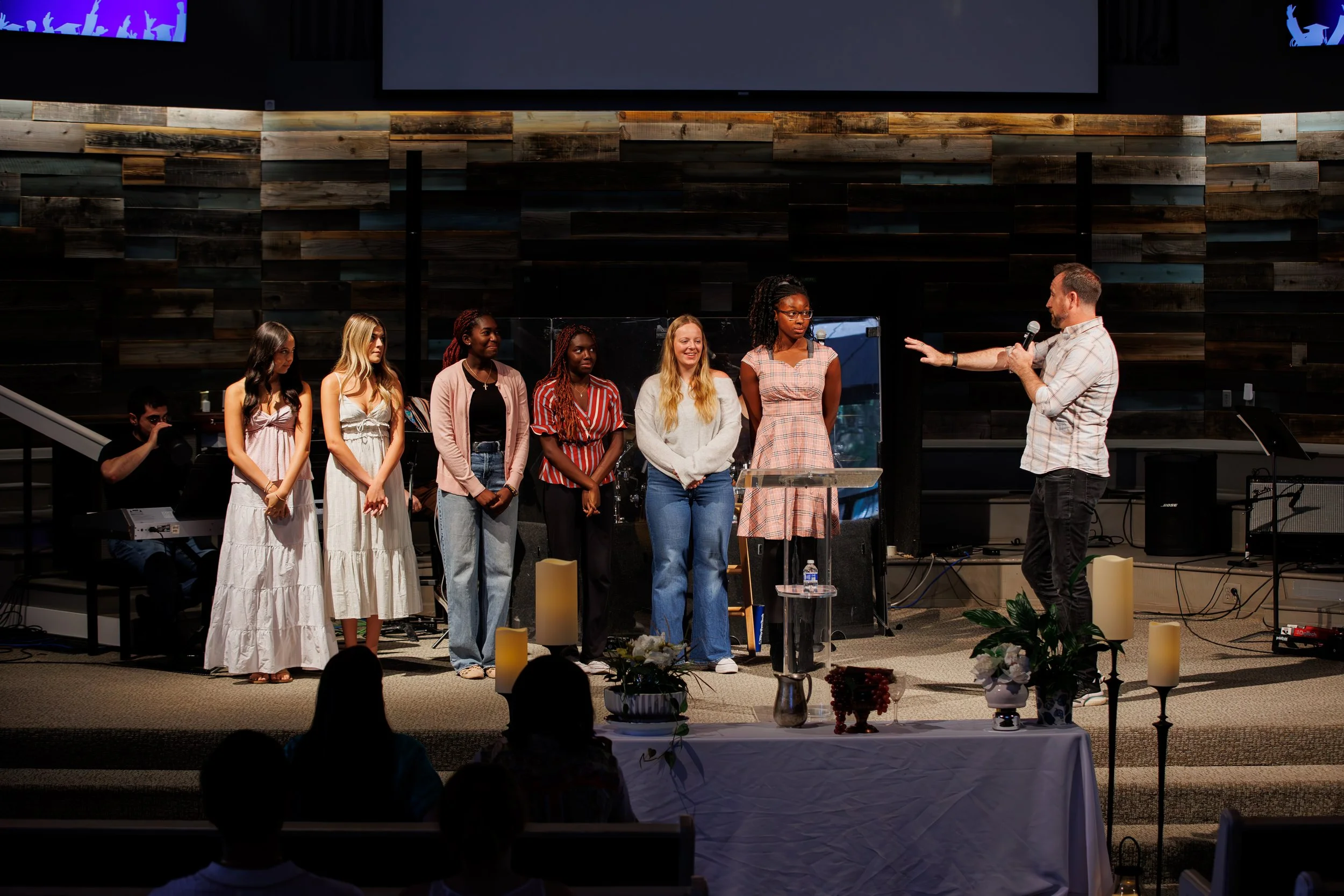
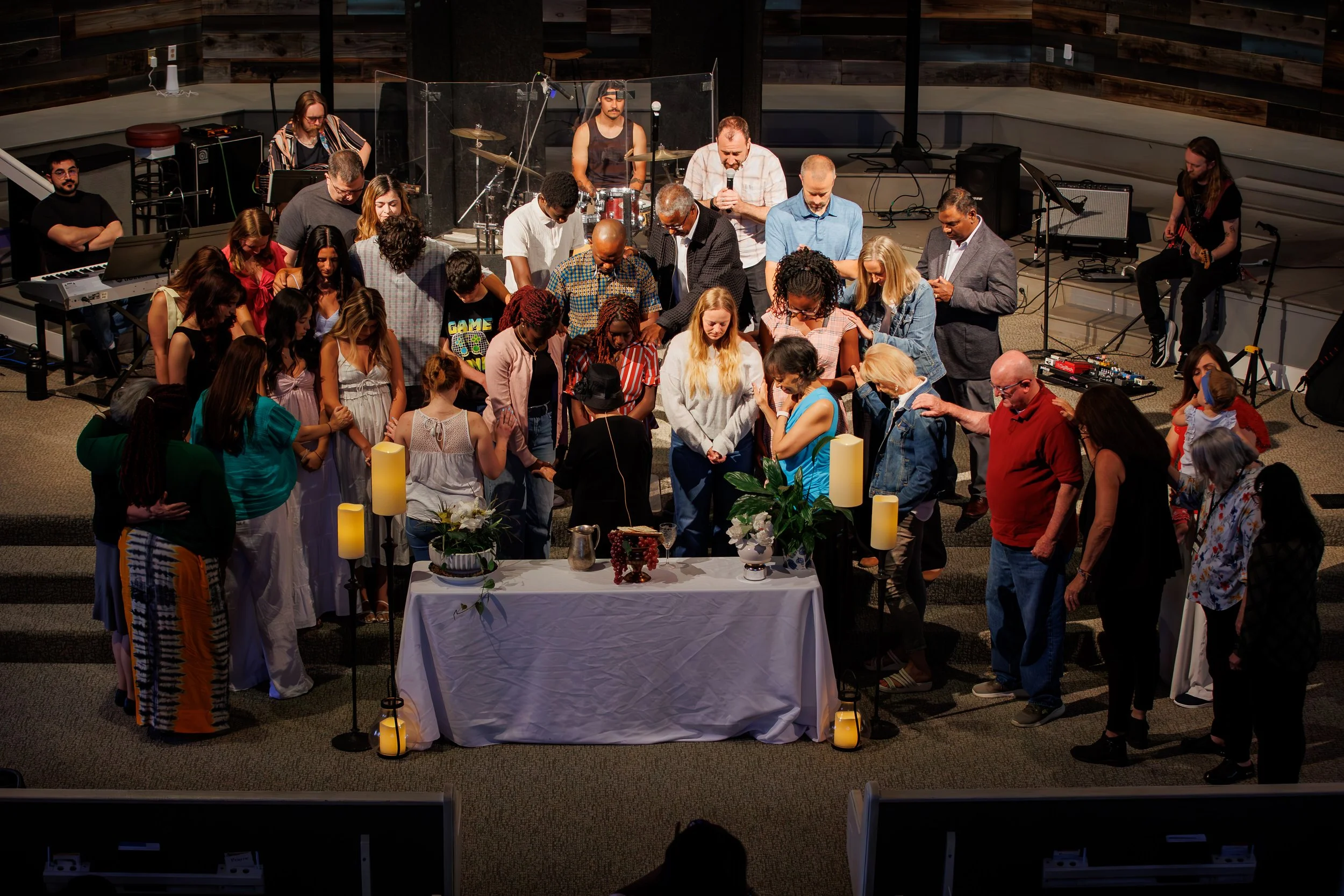
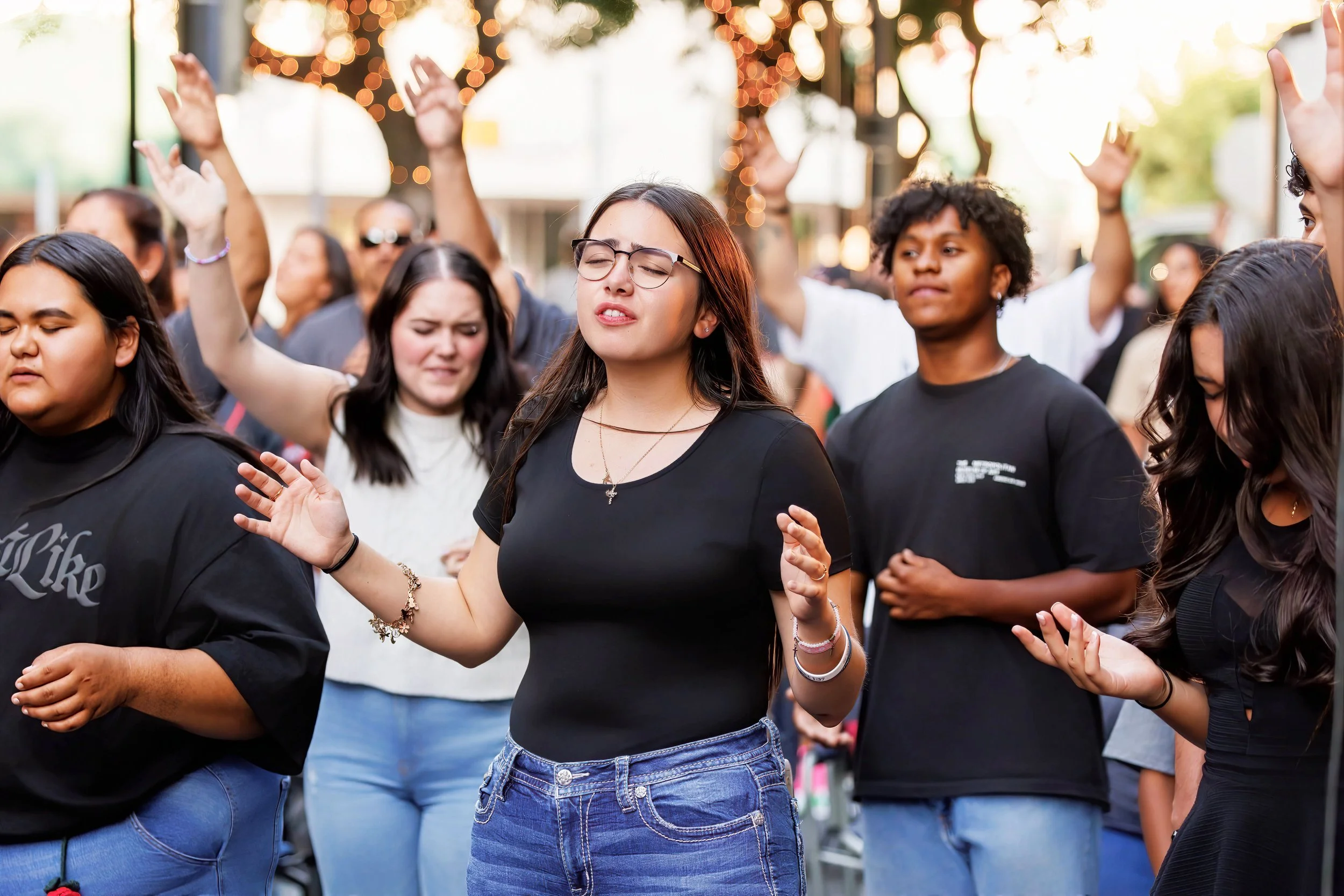
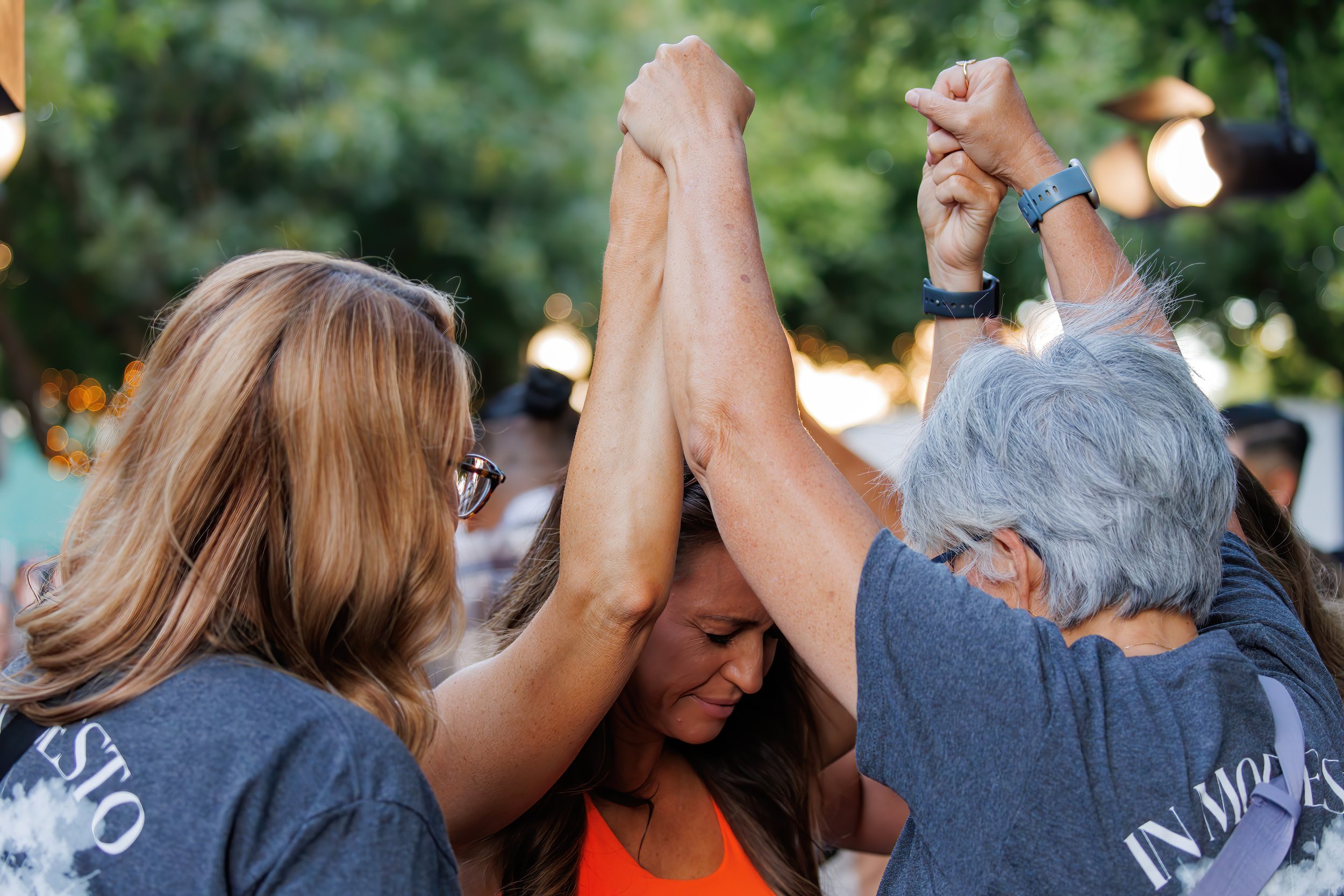
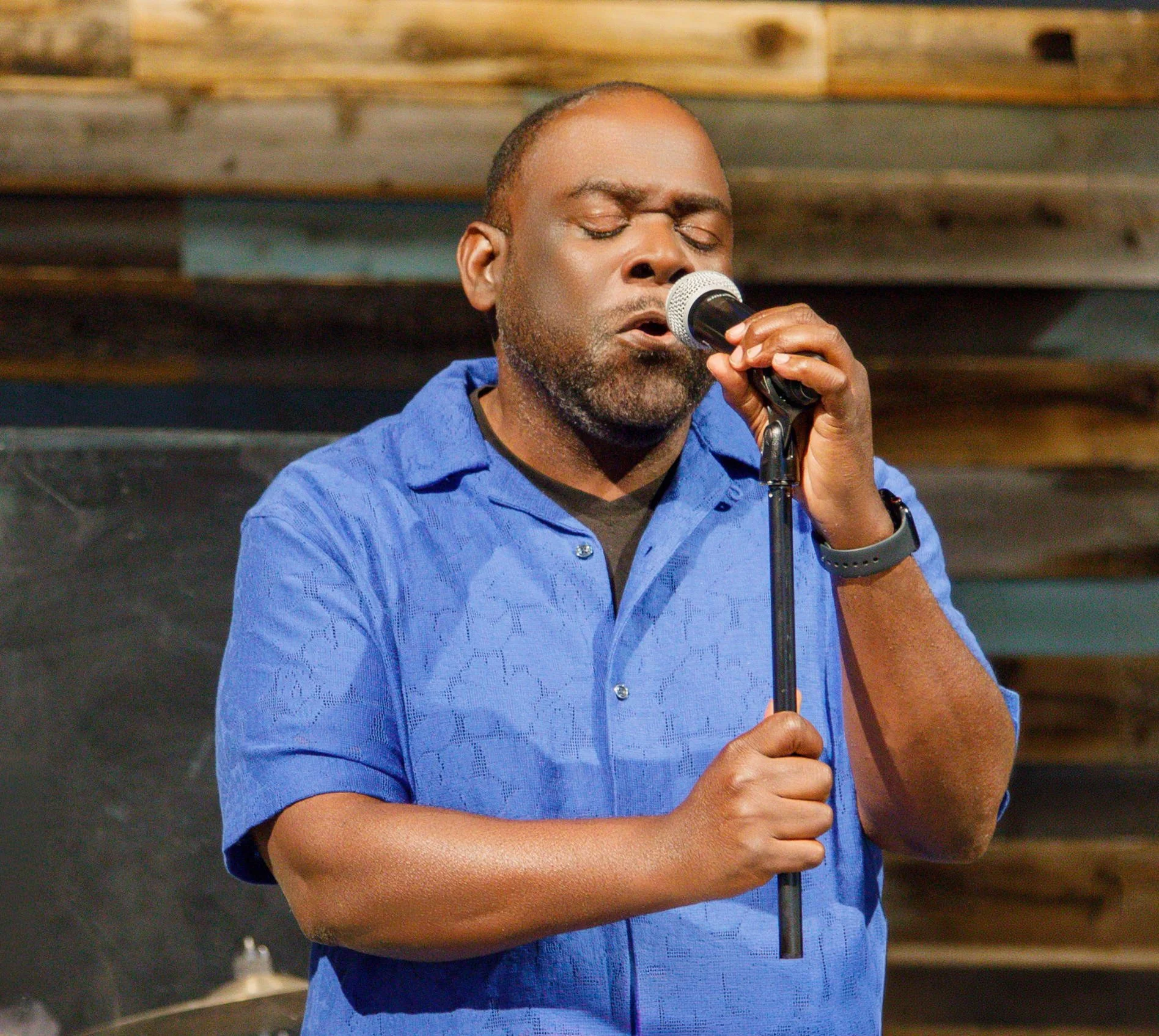
Look for authentic expressions—hands raised in worship, quiet prayer, shared smiles, and moments of reflection. Capture wide shots to establish the space, medium shots for context, and close-ups for emotion.
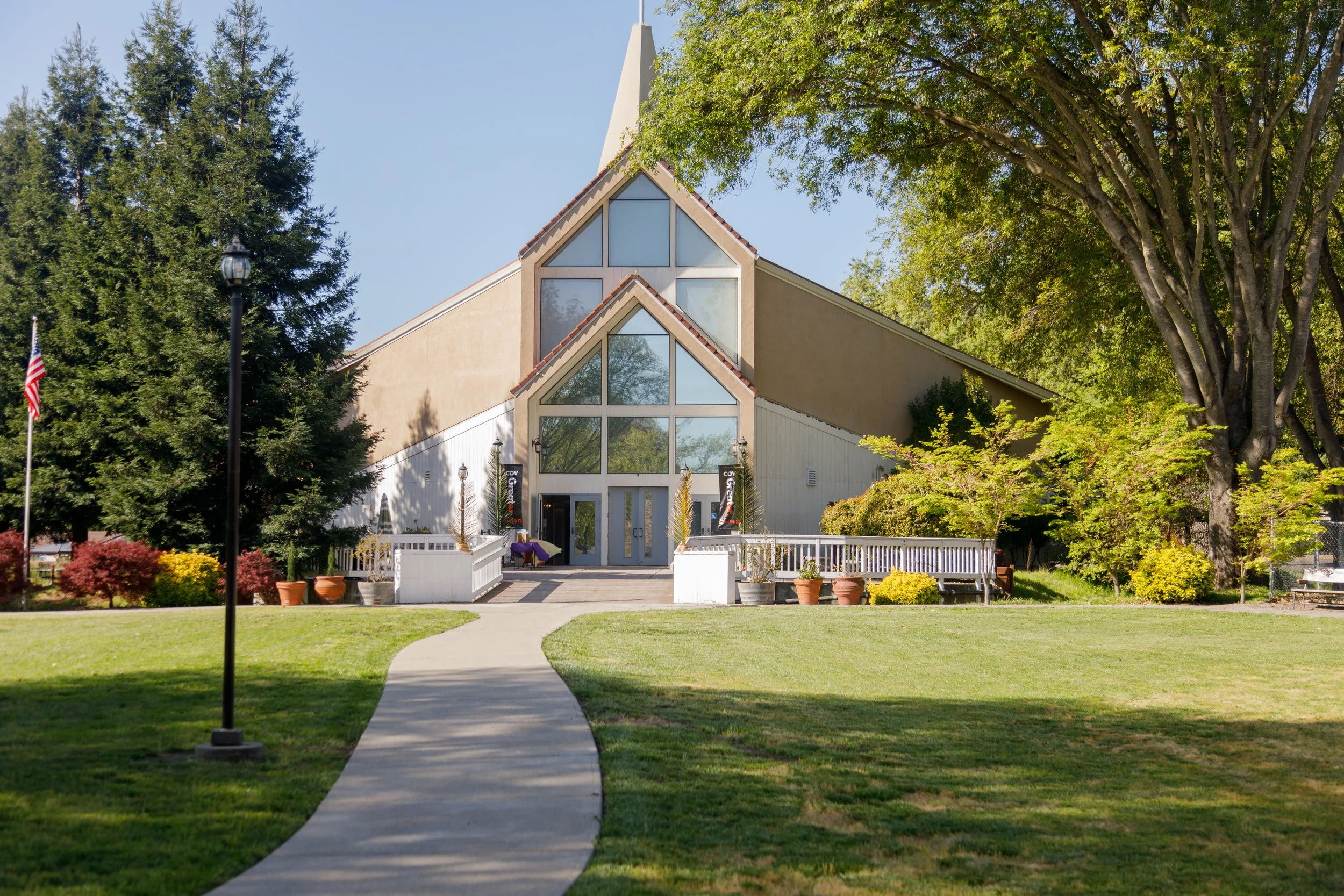
Details matter too. Bibles, candles, crosses, stained glass, and architectural elements all help tell the story of the environment and the experience.
Respect Privacy and Sensitive Moments
Not every moment needs to be photographed.
Some moments are meant to be experienced, not documented. Be especially cautious during emotional prayer, communion, or deeply personal interactions. Respect privacy, particularly when photographing children, and always follow church guidelines for ceremonies like baptisms.
When in doubt, it’s better to lower your camera.
Respect always comes before the image.
Edit With a Soft, Timeless Approach
Post-processing should enhance the feeling of the moment, not overpower it.
Keep skin tones natural, avoid overly dramatic contrast, and preserve the warmth and calm of the space. Subtle edits help images feel timeless and true to the environment. Black and white photography can be especially powerful for worship moments, drawing attention to emotion rather than distraction.
Final Thoughts
Taking photos in a church environment requires humility, patience, and purpose. When approached with care, church photography becomes more than documentation—it becomes preservation of faith, community, and meaningful moments.
The best church photographers are often unseen, but their images are deeply felt.
If you approach church photography with respect and intention, the images you create will honor both the space and the people within it.