Part of the “Why Great Photography Isn’t Enough” series
A client can love their photographs and still find part of the experience confusing. They may have struggled to choose clothing, worried about how their children would behave, or felt unsure about what would happen when they arrived. By the time you deliver the gallery, those details can be easy to miss.
Photography client feedback gives us a way to understand those moments. We see the planning, the lighting, and the editing. The client sees what it feels like to work with us, often while doing something unfamiliar.
In the previous installment, we looked at staying helpful after the gallery arrives. That follow-up also creates an opportunity to ask a better question: what could have made the experience easier?
Ask about the experience, not just the photographs
“Did you love your photos?” tells you something about the finished work. It leaves a lot of the process unexplored. If you want to understand the client experience, ask about a specific part of it.
For a portrait session, you might ask, “Was there anything you wished you had known before we met?” For a wedding, you might ask, “Did you feel clear about how the photography would fit into your timeline?” After delivery, a useful question might be, “Was downloading and saving your photographs straightforward?”
You do not need to send a long survey or ask every question at once. Choose one that fits the session and give the person room to answer honestly. A brief, relevant question is easier to respond to than a request to evaluate your entire business.
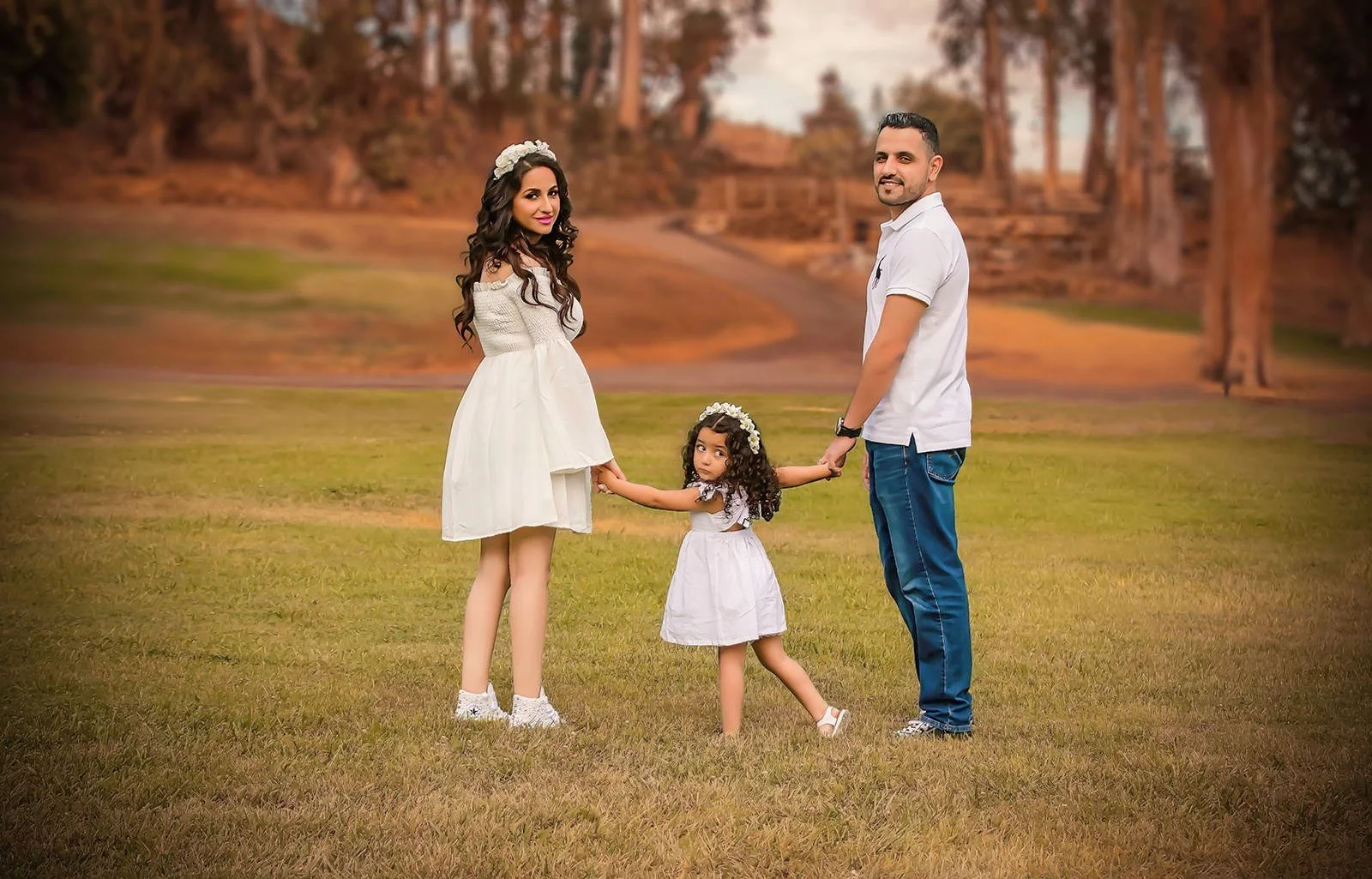
Thoughtful preparation helps families know what to expect from their session. Photograph by Jeff Carnie Photography.
Make room for an honest answer
Asking for feedback means being willing to hear something you did not expect. That can feel uncomfortable when you have put real care into the work. It is tempting to explain why your process makes sense before you have fully understood what the client experienced.
Suppose a parent says the preparation email felt overwhelming. You may have included every detail because you wanted the family to feel ready. Their response can still be useful. Ask which information was hardest to find. Perhaps the arrival time and meeting location were buried beneath clothing suggestions.
That gives you something specific to improve: put the essential details at the top and keep the extra guidance below. You can preserve the information while making it easier to use.
Thank the client for telling you. If something needs attention now, address it. Keep a private feedback conversation separate from a request for a public review, so the client has space to speak candidly.
Look for patterns before changing your process
One response deserves consideration, but it does not automatically require a new policy. A personal preference and a recurring obstacle call for different decisions.
If several families ask where to park, your directions probably need work. If multiple clients miss the gallery expiration date, make that information more visible. If people repeatedly mention how much they appreciated your calm direction, recognize that as something worth protecting.
Positive feedback can be just as practical as criticism. “You helped us relax” points to a part of your service that a beautiful portfolio cannot explain on its own. Notice what you did that helped, whether it was giving simple instructions, allowing a little settling-in time, or explaining the next step.
Keep brief notes about the themes you hear. Over time, those notes can help you choose improvements based on real client experiences.
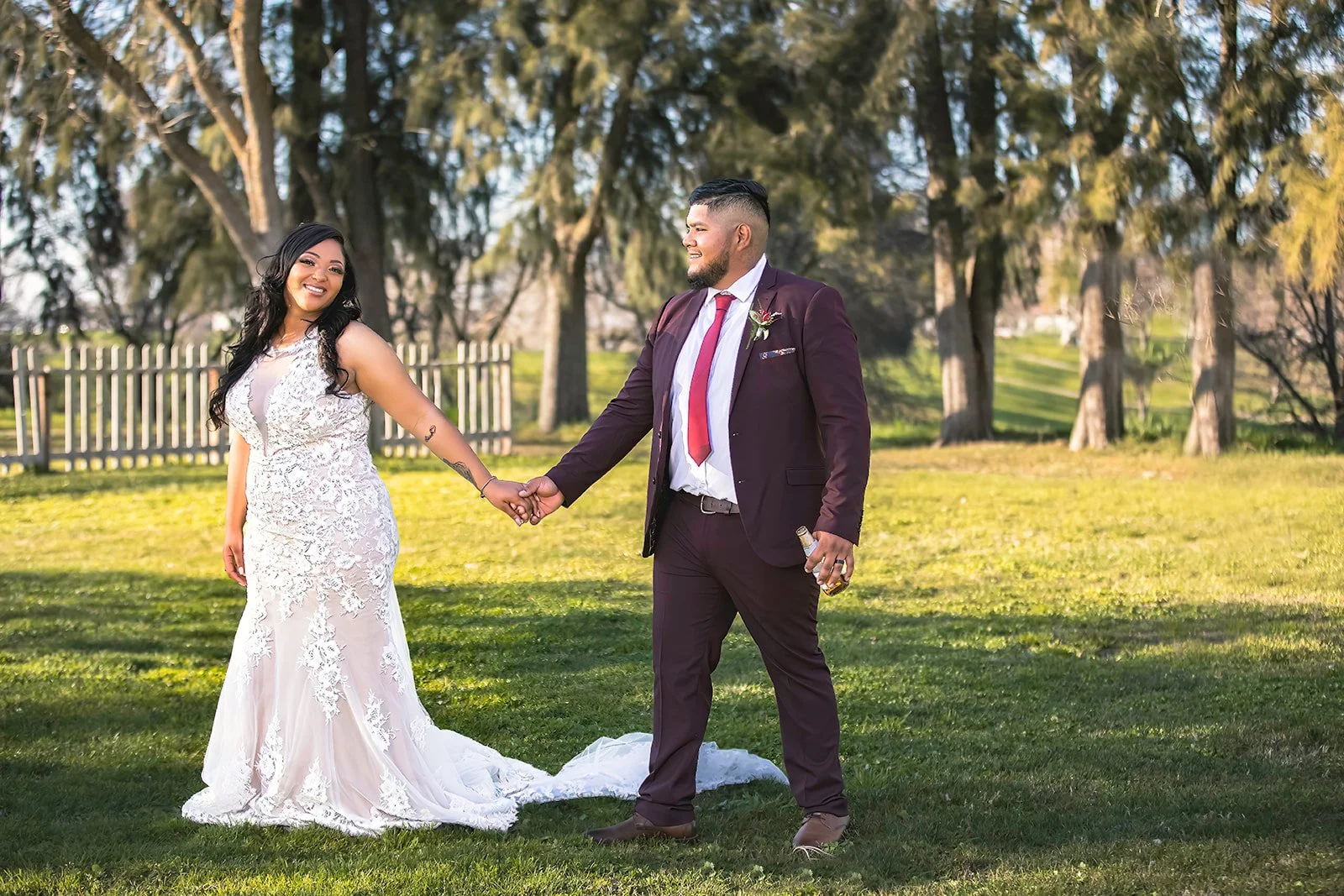
A relaxed moment from Taliyah and Saul’s wedding at Gibson Ranch. Photograph by Jeff Carnie Photography.
Turn one useful answer into one useful change
Feedback becomes valuable when it affects what happens next. Choose a change you can make before your next session: simplify the confirmation email, add a location photo to the directions, or explain when the client should expect another update.
Then pay attention. Do clients still ask the same question? Do they arrive knowing what to expect? Has the change made your work clearer for them and more manageable for you?
You can also close the loop with the person who helped you see the problem. A simple note saying you have updated the directions because of their suggestion shows that you listened. Ask permission before using their words publicly.
Before your next project is complete, choose one question you would genuinely like a client to answer. Listen carefully, look for what you can learn, and follow through on a useful improvement. That habit gives the people you serve a part in helping you serve them better.
See how thoughtful service shapes our work at Jeff Carnie Photography.
Continue the series
Previous: The Client Experience Doesn’t End When You Deliver the Gallery
Start here: Why Great Photography Isn’t Enough