Part of the “Why Great Photography Isn’t Enough” series
A family comes back for another session. Before you start, you ask their daughter if she brought the stuffed animal that made it into last year’s photos. Her face lights up. Her parents smile. You’ve remembered something that mattered to them.
That kind of moment belongs in a conversation about running a photography business. We spend a lot of time talking about cameras, editing, and getting the next booking. But there’s value in the small things that tell someone you were paying attention.
In the last post, we talked about asking clients better questions. This is where those answers start to matter: the next email, the next conversation, the next time they step in front of your camera.
Remember what made the session easier
Some people enjoy being photographed. Others would rather be just about anywhere else. A parent may be worried about getting everyone ready. A groom may be uncomfortable with posing. A senior may need a few minutes before they feel like themselves.
When someone tells you what helps, use it. If a family liked having room for the kids to move around, keep that in mind when you suggest the next location. If a client appreciated clear direction, give them that direction again.
You can be simple about it: “You mentioned that the walking photos felt more comfortable last time. We can start there.”
Now they have one less thing to explain. They can settle into the session knowing you’ve already given some thought to what works for them.
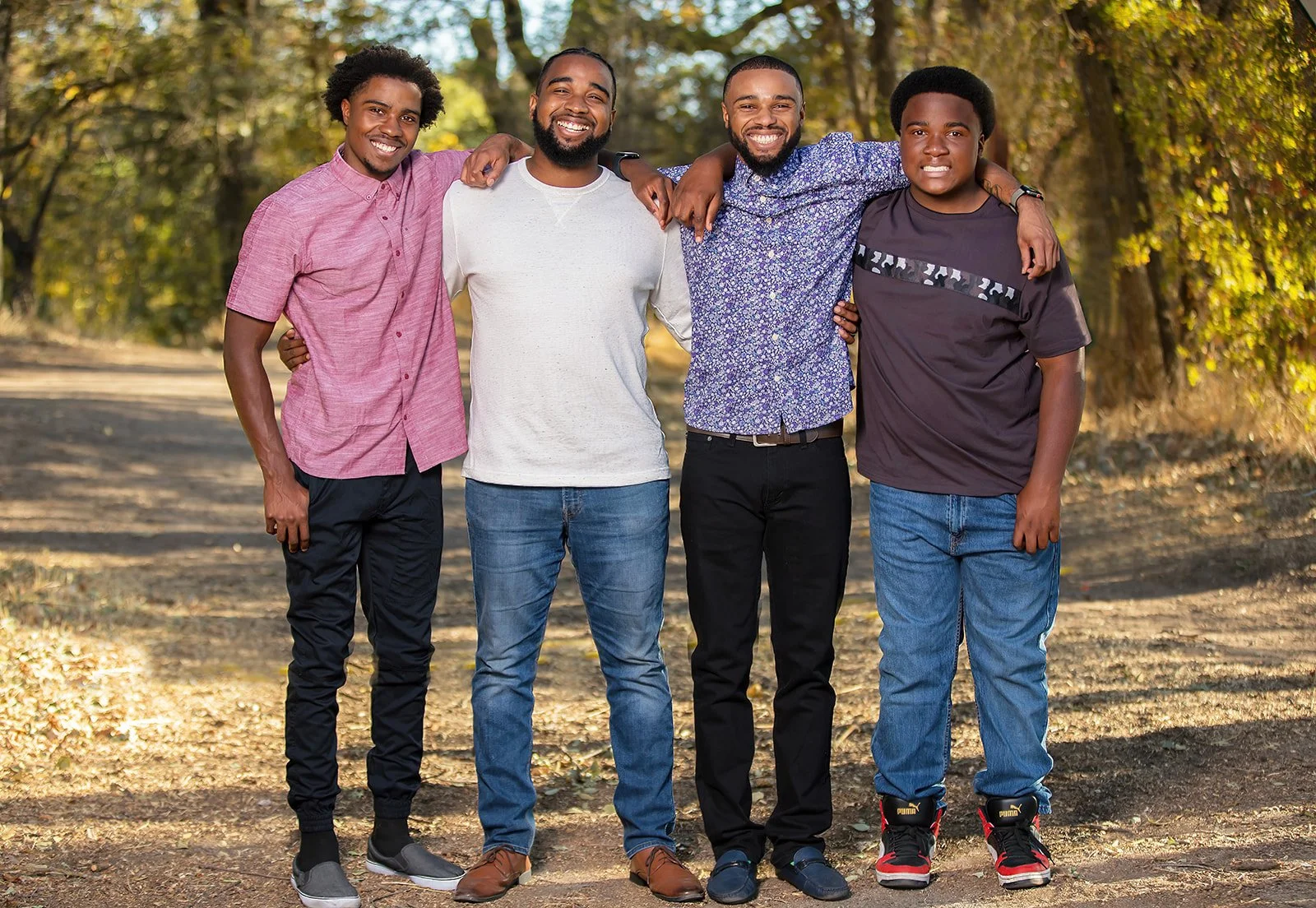
A little familiarity can help people settle into a session. Photograph by Jeff Carnie Photography.
Keep a few notes while it’s fresh
You don’t have to rely on your memory for every detail. When a session wraps up, take a minute to write down what would help you prepare for the next one.
Names and pronunciations are a good place to start. You might also note a favorite location, the kind of direction someone responded to, or that the family hopes to include their dog next year.
Keep the notes useful and respectful. “Preferred a quieter spot away from the crowd” gives you something to work with. You don’t need a long account of someone’s private life.
Read those notes before you reply to a returning client. That’s the part that makes the difference. Information sitting in a file won’t help anyone feel remembered.
Let the follow-up sound like you
Templates are helpful. They keep us from forgetting the meeting location, delivery details, or the next step. But before you send one, read it as if you’re the person receiving it.
Does it fit the conversation you just had? Did they ask something you haven’t answered? Is there a detail you can include that makes the message useful to this person?
If they told you they’re choosing a portrait for the living room, you could say, “When you’ve narrowed down your favorites, send them over. I’m happy to help you think through which one will work in that space.”
Only offer that help if you’re prepared to follow through. You don’t need to add an extra service to every email. Sometimes the thoughtful thing is simply answering the question clearly and getting back to them when you said you would.
Leave room for things to change
Remembering a client also means giving them room to be different this time.
The child who needed a little encouragement last year may be ready to lead the whole session. A couple who loved their wedding portraits may want a much more casual feel for family photos. The location they once enjoyed may no longer work for them.
Use what you remember to open the conversation: “Last time we stayed close to the park entrance. Would that still work for everyone, or would you like to try somewhere else?”
That gives them a chance to update you without having to correct an assumption. Familiarity should make it easier for people to tell you what they need now.
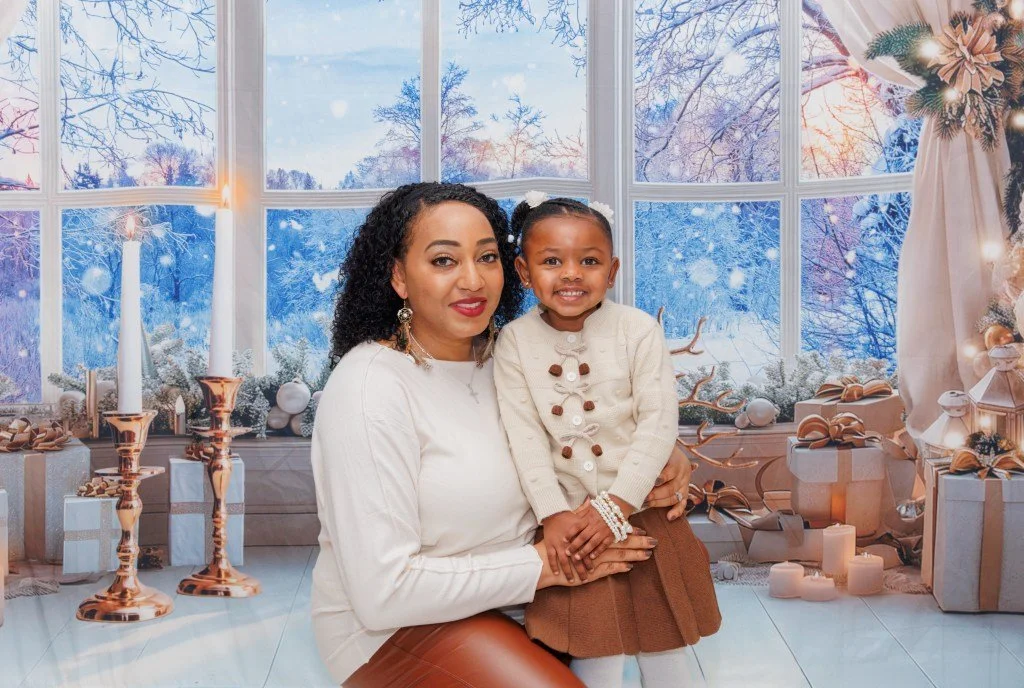
Every session is a chance to get to know a family a little better. Photograph by Jeff Carnie Photography.
Make it something you can keep doing
It’s easy to get carried away with ideas for gifts, anniversary messages, and extra touches. Before adding another task, think about what you can keep up with during a busy month.
Start with a few habits: review your notes before a session, check names before sending a message, and refer back to something the client actually told you. Those are small enough to become part of how you work.
For me, this comes back to the same idea running through this series: the photographs matter, and so does the person trusting you to make them.
Before your next returning client arrives, take a minute to remember your last session together. What helped them relax? What were they excited about? What would be useful to ask again? Start there. A little attention can make the next experience feel familiar before you’ve even picked up the camera.
See more of our portrait, family, and wedding work at Jeff Carnie Photography.
Continue the series
Previous: Client Feedback Can Build a Better Photography Business
Start here: Why Great Photography Isn’t Enough